Version 1.6 Release
Version 1.6 of Backseat Geologist is now available on the App Store and Play Store. This version includes new data sources for USGS Quaternary Faults and Regional Stratigraphic Columns.
New Features
USGS Quaternary Faults Database
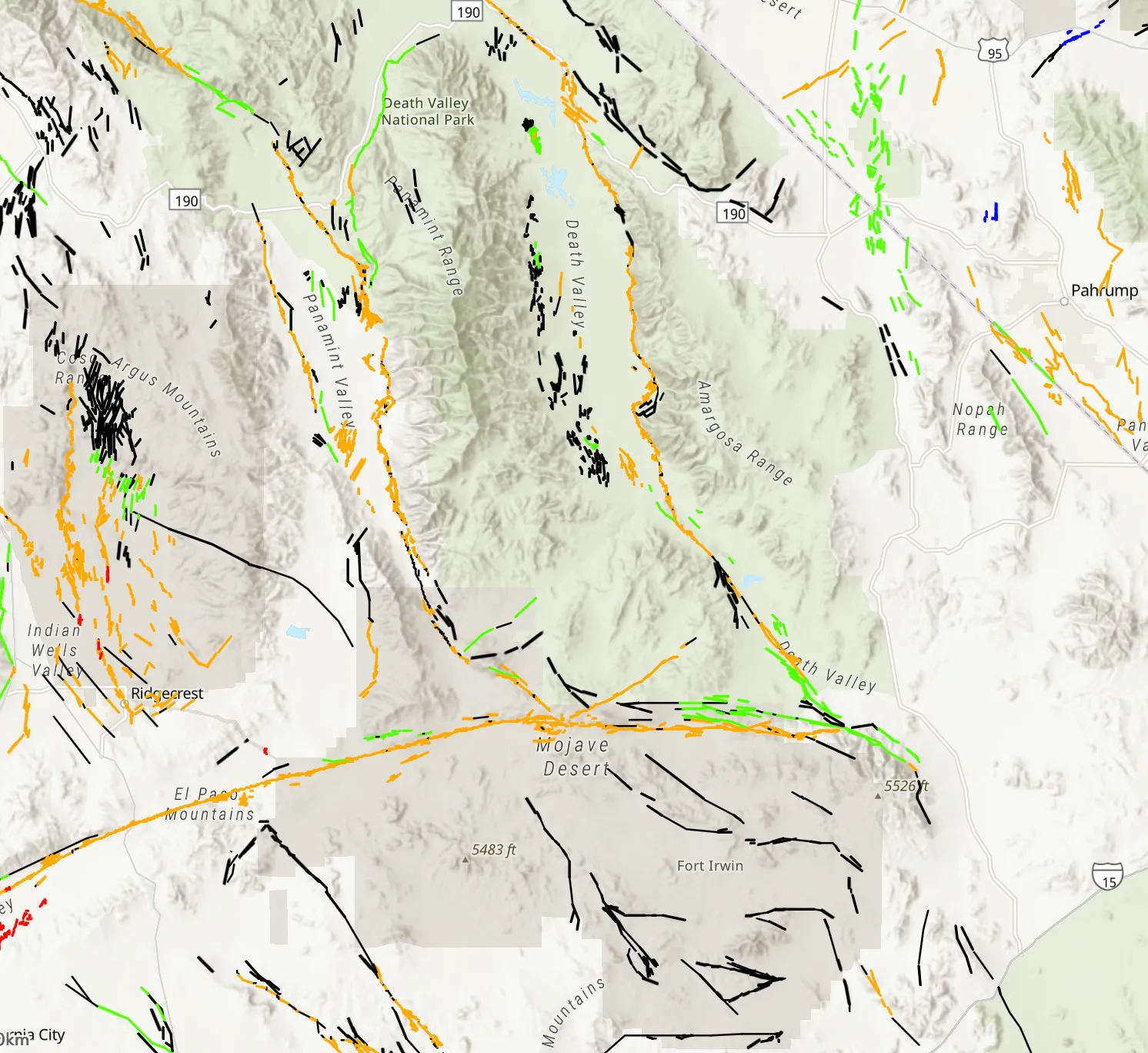
Finding and integrating new and interesting geologic data systems is a long term goal for making Backseat Geologist better over time. Over the last couple of years I have been trying to find geoscience databases and APIs for my own curiosity. The USGS is one of the world leaders in making geoscience data easily accessible to the public. The USGS Quaternary Faults Database is a great example of this with an interactive fault map, database search, KML and GIS files available. The same data underpinning the interactive fault map is now used to find faults that are relevant to the user’s location in Backseat Geologist. Fault data is surfaced in the geology info panel that appears when tapping on the map at a fault location and in geology descriptions. In areas with Quaternary faults, geology descriptions will include richer information about faults and their effects on the geologic units and landscape than before.
Regional Stratigraphic Context
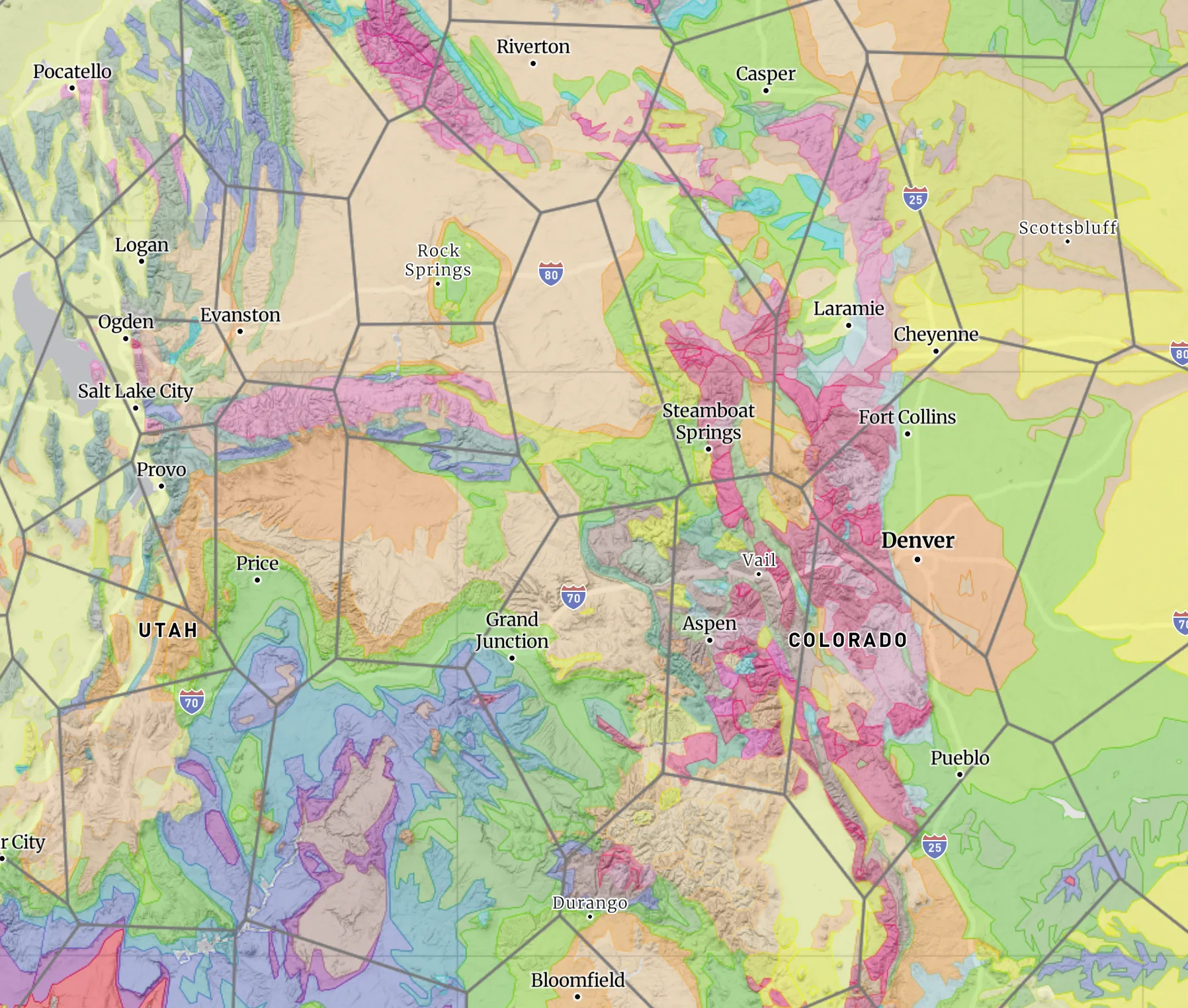
In concert with Quaternary fault information, I have also added regional stratigraphic context to the geology description prompt. Regional stratigraphic columns are available from the Macrostrat API like the geologic map and unit data already being used. It took me a little while to find a good way to integrate these stratigraphic columns into Backseat Geologist. The units in the stratigraphic columns do not match perfectly with the map units as they are not the same dataset. The key to this integration was a system to correlate the current bedrock unit from the map to its location within the column by comparing age, name, and other properties. With this additional context like whether the unit is the oldest or youngest in the stratigraphic column, or its relationship to other units, Backseat Geologist has better information on the geologic history of a location. Regional stratigraphy is available for the entire United States and parts of various other regions.
The combination of additional regional stratigraphic context and quaternary faults should add depth, richness, and accuracy to the geology descriptions generated by Backseat Geologist where the additional data is available.